
Complete Emergency Binder Guide: How to Protect Your Family's Vital Information
A few years ago, a close friend passed away suddenly. While his family grieved deeply, they faced no logistical difficulties because he had organized everything in advance. This experience prompted me to evaluate my own preparedness.
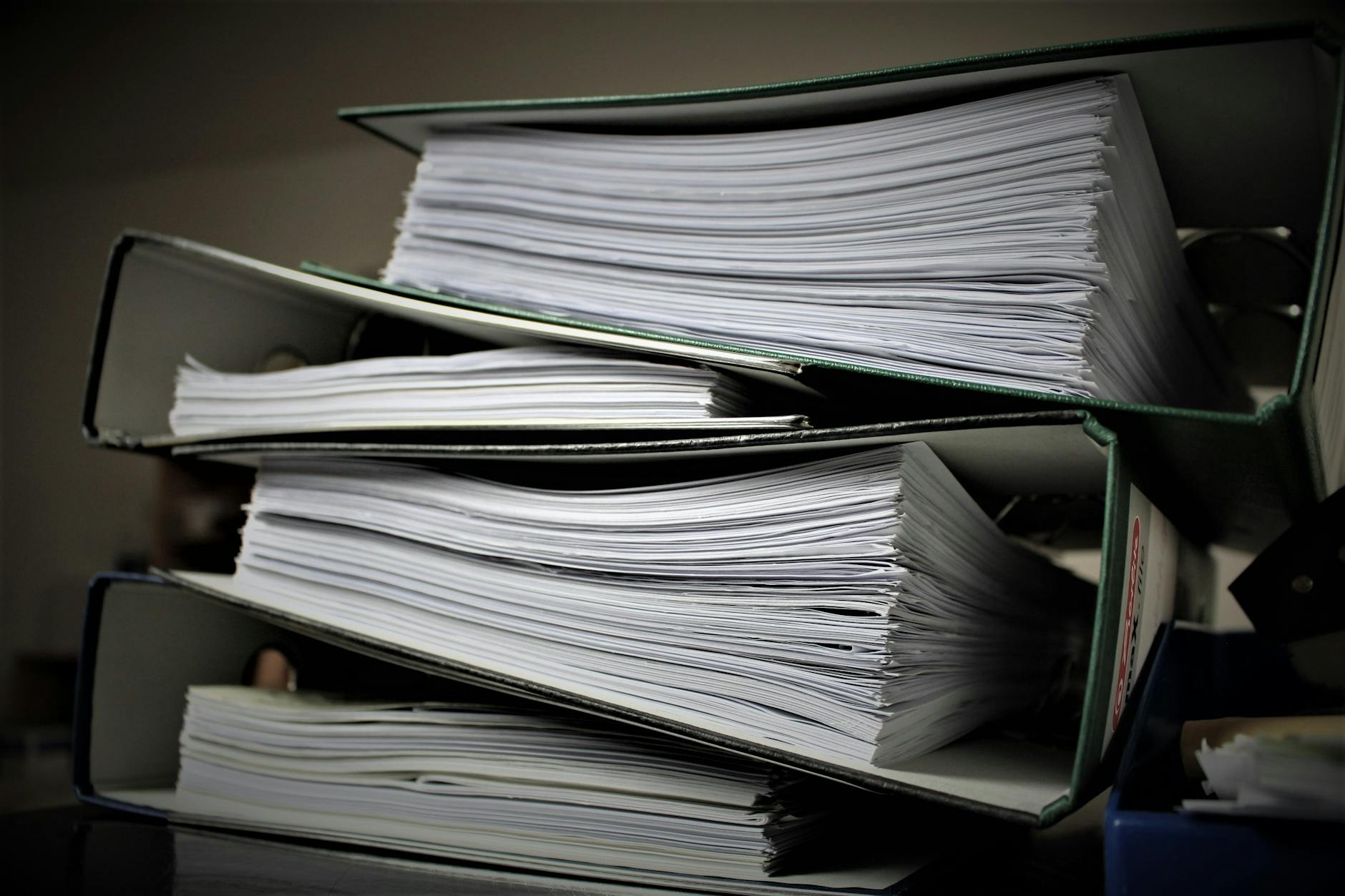
A few years ago, a close friend passed away suddenly. His death was unexpected—he was undergoing chemotherapy, caught a cold, went to the hospital, and never came home. While his family grieved deeply, they faced no logistical or financial difficulties because he had organized all his important documents for his loved ones and ensured everything was completed in advance.
This experience prompted me to evaluate my own preparedness.
Shortly after his passing, I experienced severe abdominal pain near my liver or gallbladder. The pain was intense enough to impair my ability to think clearly. The next day, when my mother asked basic questions to help us seek medical care, I could not provide answers.
"What is your deductible?" I did not know. "What are your allergies?" I could not remember.
A doctor would have obtained more medical history from anyone else. I recovered, but the experience revealed a significant gap in my preparedness.
An emergency binder serves as your voice when you cannot speak for yourself.
Section 1: What is a Family Emergency Binder?
At its core, an emergency binder serves as your voice when you cannot speak for yourself.
It is a portable, organized collection of your family's most critical information. Instead of scattering important details across filing cabinets, digital folders, and scattered notes, an emergency binder keeps your medical, financial, legal, and household information in one accessible place.
When a crisis hits, cognitive overload makes it difficult to think clearly. Emergency preparedness experts recommend organizing important information before a crisis to remove uncertainty and help your loved ones act quickly and confidently.
What Your Binder Helps You Navigate
- Hospitalizations: Provides doctors with immediate access to allergy information, medication lists, and healthcare proxies when every second counts.
- Evacuations: Allows you to grab identification, proof of residence, and insurance policies in minutes before leaving your home.
- Insurance Claims: Speeds up the recovery and rebuilding process after property damage because you already have your policy numbers and agent contacts ready.
- Temporary Care: Gives neighbors or family members the exact instructions they need to care for your kids or pets if you are unexpectedly pulled away.
- Financial Management: Helps a trusted loved one temporarily manage bills and finances if you are incapacitated.
What an Emergency Binder is NOT
- It is not a replacement for legal advice.
- It does not replace official estate planning.
Your emergency binder simply stores copies of these documents and explains where original versions can be found securely.
Section 2: Why Every Family Should Have One
In an emergency, your brain goes into survival mode. The sudden surge of adrenaline makes it difficult to think clearly, let alone remember the dosage of a medication or where you stored an insurance policy.
When you organize your documents ahead of time, you give your loved ones the critical gift of time. Scrambling to find misplaced paperwork during a crisis can delay urgent medical treatment, slow down emergency insurance claims, and temporarily cut off access to necessary finances.
According to FEMA's 2023 National Household Survey, only 51% of Americans feel prepared for disasters, and just 37% have a household disaster plan. Legal and medical preparedness gaps are even larger—only 32% of Americans have a will, and 63% lack organized lifetime medical records.
Section 3: How to Set Up Your Binder
Recommended Supplies
- 2 to 3-inch binder: Choose a brightly colored, durable binder with enough room to expand.
- Waterproof document sleeves: Heavy-duty sheet protectors keep moisture, dirt, and spills away from your important papers.
- Tab dividers: Use these to create clear sections for categories like Medical, Financial, Legal, and Contacts.
- Pocket folders: Include a few heavy folders to hold bulky items or smaller pieces like flash drives and spare keys.
- Printed table of contents: Place a clear index at the very front so a trusted loved one can find exact documents quickly.
Storage and Backup Recommendations
- Physical Storage: Keep sensitive paperwork in a lockable, fireproof safe or a waterproof lockbox. Make sure a trusted family member knows the combination or has a spare key.
- Digital Backup: Scan your documents and save them to an encrypted cloud storage service or a secure external hard drive.
Important Security Notes
- Never store raw passwords: Use password hints that only you or your partner will understand.
- Protect original documents: Store originals in your secure safe or a bank deposit box. Place photocopies in the binder.
- Mask account numbers: Include only the last four digits of bank accounts and credit cards. Never include your PINs.
Section 4: What Important Documents to Include
Personal Identification
- Copies of birth certificates
- Copies of Social Security cards
- Copies of passports
- Copies of driver's licenses or state identification cards
Medical Information
- Copies of immunization records
- Lists of current medications and exact dosages
- Copies of health insurance cards
- Contact information for primary care doctors and specialists
Financial Records
- Lists of bank accounts
- Copies of recent bank and investment statements
- Copies of insurance policies (home, auto, and life)
- Copies of recent tax returns
Legal Documents
- Copies of wills and trust documents
- Copies of powers of attorney
- Copies of property deeds
- Copies of vehicle titles
Household and Emergency Contacts
- Utility account numbers and provider contact information
- Local emergency services
- Out-of-area family contacts who can act as a central check-in point
- School contact information or veterinarian contacts
Section 5: How to Maintain Your System Over Time
When to Update
Major life events naturally change your paperwork. Update your system immediately when your family experiences:
- Births or adoptions: Add new Social Security cards, birth certificates, and pediatric records.
- Moving to a new home: Update proof of residence, property insurance policies, and utility account numbers.
- Job changes: Swap out old health insurance cards, employer contact information, and retirement account details.
- Medical shifts: Add new prescriptions and update newly discovered allergy information.
Routine Reviews
Schedule a quick review twice a year. Many families tie this habit to Daylight Savings Time. When you change your clocks and check your smoke detector batteries, flip through your binder.
Checking Digital Backups and Physical Documents
- Audit the physical condition: Check your waterproof sleeves for tears or damage. Replace any pages that look worn or difficult to read.
- Test your digital access: Log in to test your digital backups. Ensure the files open correctly and trusted family members know how to access them.
Section 6: Organizing Copies and Sharing
Separating Originals from Copies
- Store originals securely: Keep original birth certificates, social security cards, wills, and property deeds in a locked fireproof safe or a bank deposit box.
- Use clear labels: Add a note explaining where the original document is stored and who can access it.
Deciding Who Needs Access
- Your spouse or partner: They should know how to access the complete binder, the safe, and any digital backups.
- Adult children or care proxies: They may need access to medical directives, healthcare contacts, and basic household instructions.
- Your executor: They need a clear map of your legal documents and financial accounts.
How to Share Your System
- Physical sharing: Create a smaller folder with emergency medical contacts and instructions for accessing the main safe.
- Digital access: Use secure password managers or encrypted cloud folders to share necessary files.
- Maintain boundaries: Be open about where the binder lives, but stay protective of the details inside.
Section 7: Peace of Mind in an Unpredictable World
Emergencies are unpredictable. You cannot control when a severe storm, medical emergency, or evacuation might disrupt your life. However, you have complete control over how prepared your family is for those exact moments.
When you take the time to gather your supplies, organize your documents, and safely share your system with trusted loved ones, you remove a heavy burden from those closest to you. You replace panic and confusion with clarity and direction.
Do not wait for a crisis to realize you need this system in place. Start building your emergency binder this weekend. Pick up a sturdy binder, print out a basic checklist, and begin gathering your most critical documents.
Remember that perfection is not the goal—progress is. Every single page you organize and secure brings you one step closer to being fully prepared.
Ultimately, building and maintaining this system is not just a logistical chore. It is a lasting act of love. By preparing your information today, you ensure that your family is protected, guided, and cared for, no matter what tomorrow brings.


