
How to Prepare Kids for Emergencies: The Ultimate Family Guide
Preparedness isn't about teaching kids to fear the world—it's about helping them trust themselves in it. Imagine a child calmly dialing 911 and giving their address—not luck, but the result of calm, intentional preparation.
Preparedness isn't about teaching kids to fear the world—it's about helping them trust themselves in it. Imagine a parent collapsing in the kitchen. Seven-year-old Leo calmly dials 911, gives his address, and unlocks the door—not luck, but the result of calm, intentional preparation. Any family can build this steadiness.
The hardest part of preparedness is balancing readiness with emotional safety. You don't need a bunker or fancy gear—small steps and simple routines make a difference. Kids need clear guidance and practice, not adult fears.
Children look to caregivers for safety and emotional cues. Their recovery depends on both their age and how adults respond. Yet fewer than half of families have a written plan, often because preparing feels overwhelming. But preparation grows from everyday habits, not just rare emergencies.
Understanding Kids and Emergencies: How Children Cope
"Children are emotional mirrors. In an emergency, they'll reflect the emotional cues of the adults around them." — Dr. Tanya Altmann
Kids absorb calm—or anxiety—from caregivers. Research shows practiced routines and organization reduce chaos and nurture resilience.
- Toddlers: May show anxiety, confusion, clinginess, withdrawal, or regression such as thumb-sucking
- Preschoolers: May be afraid and show confusion, clinginess, or regression
- Elementary: Nightmares, safety questions
- Tweens & Teens: Withdrawal, irritability, obsessing over news/social media
Practiced routines help children recover and move from fear to empowerment.
Psychological Preparedness: Building Emotional Safety
Children thrive with stability. After a scary disaster, returning to routines helps protect a child's emotional recovery. When adults remain calm, children mirror that. Provide reassurance and limit distressing news exposure when a child feels afraid.
Practice grounding techniques like deep breaths, positive self-talk, and "reset" rituals after stress to build coping skills, restore hope, and rebuild a sense of safety.
Emergency Preparedness for Neurodivergent Children & Medical Needs
Every child deserves to feel safe, especially those with sensory needs, neurodevelopmental differences, or chronic conditions. Inclusive preparedness means adapting plans and kits.
Essentials:
- Predictable Routines: Drills with visual schedules or checklists
- Sensory Supports: Headphones, fidgets, sunglasses, comfort objects
- Communication Aids: Laminated cards/AAC tools, medical IDs
- Medical Planning: Backup meds and summary cards; plans for devices/mobility
- Caregiver Coordination: All caregivers should know triggers, calming strategies, and protocols
Start Here: A Simple Family Emergency Plan
Every bit of preparation reduces chaos.
- Identify local risks and teach children about hazards in your area (tornadoes, earthquakes, floods, power outages)
- Choose two family meeting spots—one near home, one further
- Set family communication plans for emergencies
- Write out contacts, keep printed copies
- Build kits with comfort items, meds, snacks, family photos
- Do playful, low-stress drills, and practice evacuation routes
- Store plans where everyone can access them
How to Talk to Kids About Emergencies
Use honest, gentle language—not fear. Give kids a realistic picture without making it overwhelming.
Tell kids:
- "We practice so we know what to do."
- "My job is to keep you safe. Your job is to follow the plan."
- "Tell me what's on your mind so we can talk through any worries."
Core Skills Every Child Should Learn
Children should gradually learn:
- Their full name, caregivers' names, home address, and how to contact a trusted person
- How and when to call 911
- How to find safe helpers in public (police officers, firefighters)
Age-by-Age Emergency Preparedness Guide
Ages 2–5: Toddlers & Preschoolers
- Follow directions, "stop and stay put"
- Learn names/caregivers with songs and visuals
- Practice yelling for help, finding "safe helpers"
- Help pack a comfort object and family photo in an emergency go-bag
Ages 6–8: Early Elementary
- Memorize contact info; practice 911 calls
- Walk escape routes at home
- Assign "drill buddies", use checklists
- Make simple safety maps
Ages 9–12: Tweens
- Know 911 protocols; handle being home alone
- Take leadership roles in drills
- Start basic first aid
Ages 13–17: Teens
- Take CPR/first aid, utility shut-off, digital safety
- Help update kits and lead family drills
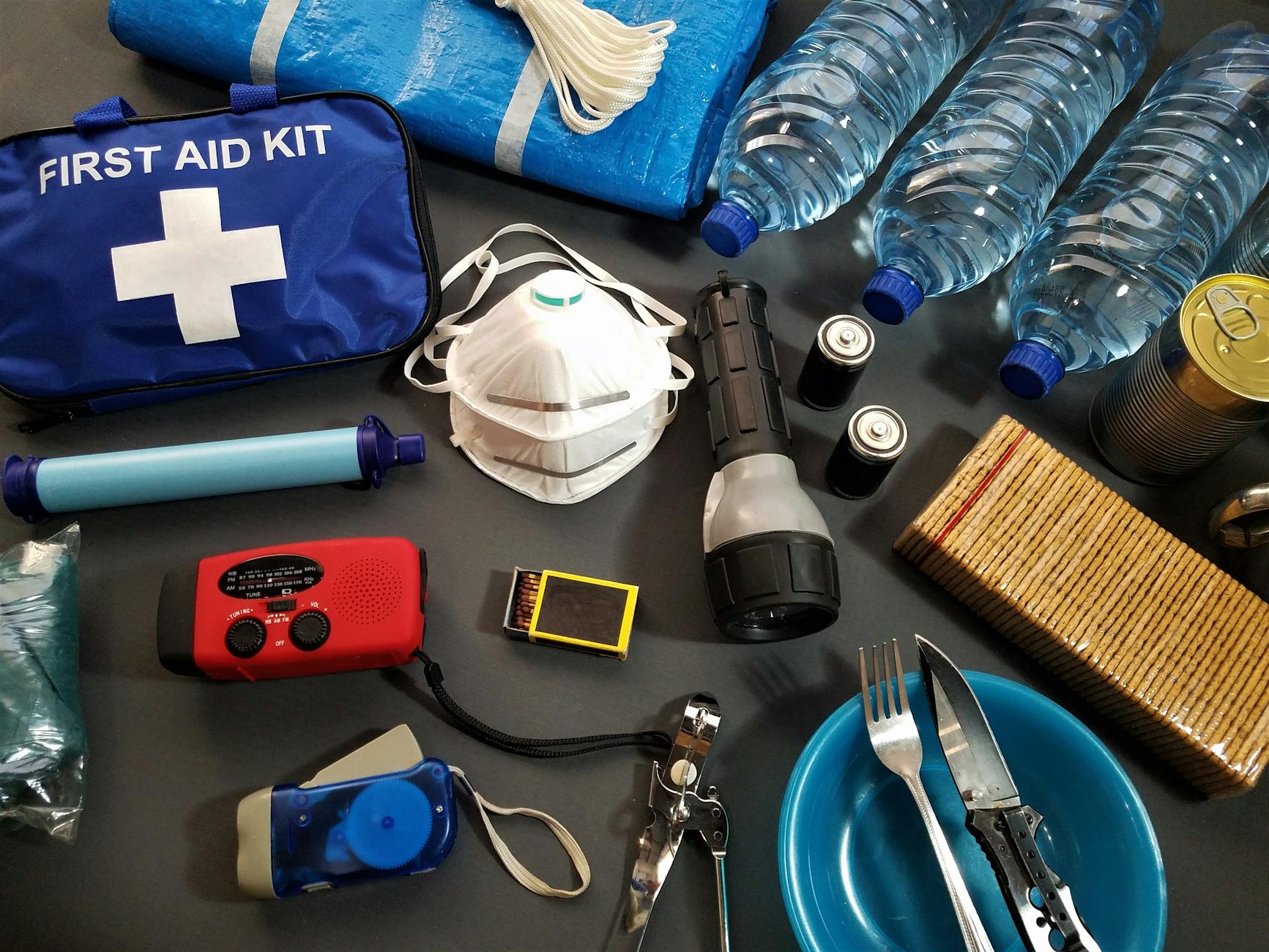
Emergency Kits and Go Bags: What Every Family Needs
A good emergency kit bridges chaos to calm. Kits should be practical, kid-focused, and updated regularly.
Kit Essentials
Home: Snacks, water, comfort item, flashlight, first aid, charger, meds, contact list, spare clothes, sensory tool
Car: Snacks, water, blanket, spare clothes, first aid, comfort toy, charger
School: Medical info, comfort item, single-dose meds, snack, family photo
Go Bag: Clothes, wipes, contact list, meds, comfort/sensory item, snacks, ID/medical cards, charger, small flashlight
Review kits twice a year and practice with kids. Let them help pack and personalize.
Public and Travel Emergencies
Emergencies happen anywhere. Prepare with routines and clear plans:
- Dress kids in bright colors; snap a reference photo
- Set a meeting spot at each venue
- Teach "stop-and-stay-put" if lost
- Include "What To Do If Lost" quick cards in bags
- Use contact info wristbands or cards for travel
- Practice role-plays about finding a trusted adult
Natural Disasters: Preparedness for Region-Specific Risks
- Earthquakes: Drop, Cover, Hold On
- Severe Weather: Shelter kits, identify the safest room in your house, explain warning cues
- Wildfires/Floods: Go-bags, avoid floodwater
Practice drills tied to local risks.
Medical Emergencies and 911
Teach and practice calling 911, what's urgent, and reciting basic info.
Multi-Household & Modern Family Preparedness
For multiple homes:
- Duplicate kits, comfort items, meds, and contact lists for each
- Use shared group chats, code words, printed references
- Practice and keep routines consistent
- Update plans each season or during transitions
Conclusion: Prepared, Not Panicked
Preparedness reduces chaos. Calm routines and clear plans turn uncertainty into safety for your family.
Remember: Small actions—updated contacts, practiced skills, comfort items, joint drills—make the biggest difference in stressful moments.
"Preparedness is the antidote to chaos, not just for emergencies, but for daily life as parents." — FEMA, Ready Kids
Preparedness isn't about perfection. It's about building a calm, connected family—one small routine at a time.